

Choosing the right baby blanket size can feel confusing because receiving blankets, cot blankets and stroller blankets all have different dimensions and safety guidelines add another layer of consideration. This guide gives you standard dimensions, explains how size ties to use and age and shows you how to pick a blanket that fits your needs.

In this article you’ll find:
- Why baby blanket size matters
- Standard dimensions for the main baby blanket types
- A quick reference table by use and age
- How to choose the right size for swaddling, cot, pram or play
- FAQ on sizing and safety
Why Baby Blanket Size Matters
A baby blanket that’s too small won’t cover or swaddle your baby properly and one that’s too large can bunch up and increase the risk of overheating or face covering. Size also affects how you use the blanket for swaddling, draping over a cot or tucking into a pram. Too-small blankets leave corners that won’t tuck or stay put in everyday use and oversized ones can drag on the floor when carrying the baby or get tangled in the pram harness. Getting the size right makes washing and storage easier too because you’ll know exactly what fits your laundry basket or drawer.
Getting the size right means:
- Safer sleep — Less loose fabric in the sleep space.
- Easier swaddling — Enough fabric to wrap snugly without excess.
- Better fit for the setting — Pram, cot, or play mat each have different needs.
So how big is a baby blanket? It all depends on what you’re using it for and we break it down by type and use below.
Standard dimensions for the main baby blanket types
There’s no single universal baby blanket size because the term covers a few common products. These are the typical dimensions you’ll see in Australia and similar markets.
| Type | Typical size (cm) | Typical size (inches) | Main use |
| Receiving / swaddle blanket | 75 × 75 to 90 × 90 (some are larger) | 30 × 30 to 36 × 36 (some are larger) | Newborn swaddle, nappy change, light cover |
| Cot blanket | 100 × 140 to 120 × 160 | 40 × 55 to 48 × 63 | Cot bedding (tucked in, feet at foot of cot) |
| Pram / stroller blanket | 60 × 80 to 75 × 100 | 24 × 32 to 30 × 40 | Pram, car seat, out and about |
| Toddler / lap blanket | 90 × 120 to 100 × 140 | 36 × 48 to 40 × 55 | Toddler bed, couch, travel |
Note: Sizes vary by brand so always check the product listing. Follow Red Nose Australia safe sleep guidelines for sleep time with no loose bedding for babies under 12 months in the cot and a safe sleeping bag or firmly tucked blanket if you use one.Dimensions differ because brands target different uses like swaddle-only or multi-use wraps and regional cot or pram standards aren’t identical. A trusted brand will state the exact size on their product page so you can compare it with the ranges above.


Baby Blanket Sizes by Use
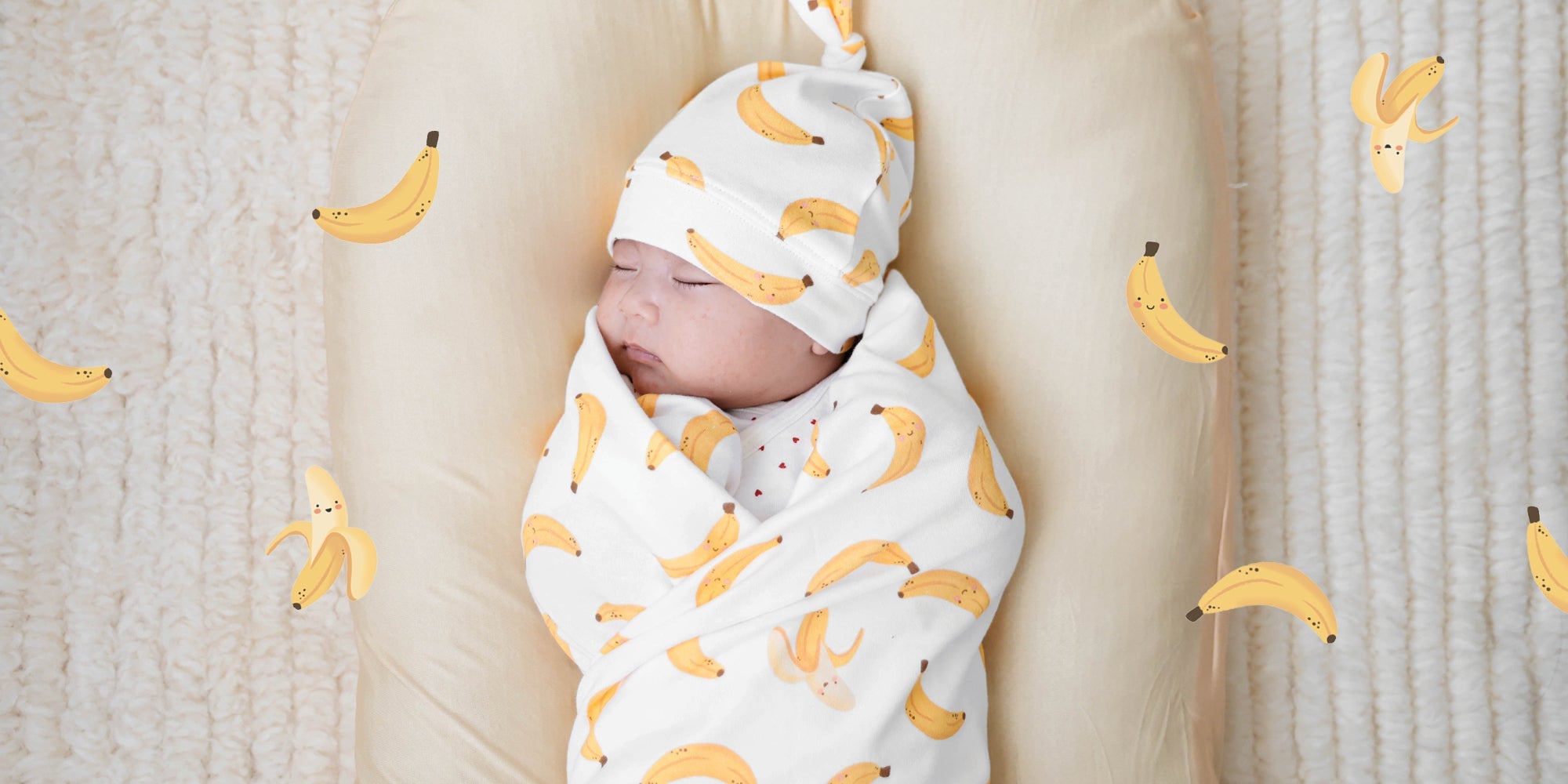
Swaddling for newborns
You need enough fabric to wrap around the baby 1–2 times and tuck securely for swaddling. Most receiving and swaddle blankets are 75 × 75 cm 30 × 30 in to 90 × 90 cm 36 × 36 in and you’ll also find larger rectangles especially for multi-use wraps. Square blankets are often easier to fold into a consistent wrap shape and larger rectangles give more length for a secure tuck and double as a light cover for tummy time or a pram shade. Very large blankets need more care when wrapping though to ensure no loose fabric sits near the baby’s face or neck.In my experience, the right swaddle size lets you create a snug wrap without leaving lots of loose fabric near the baby’s face or neck.
Cot use
Cot blankets are usually rectangular and sized to fit the cot mattress with a small overhang so they can be tucked in at the sides and foot. A common size range is 100 × 140 cm up to 120 × 160 cm. Cot mattress sizes vary like standard or compact so check your mattress dimensions before buying to avoid a blanket that’s too short or too long to tuck easily. Safe sleep guidance recommends baby’s feet are near the foot of the cot with the blanket tucked in firmly to prevent riding up or an approved sleeping bag instead of a loose blanket. A well-fitted sleeping bag is often the preferred option for the first year if warmth and simplicity are your main concerns.
Pram and outings
Pram or stroller blankets are often smaller to prevent dragging or getting caught with a typical size of 60 × 80 cm to 75 × 100 cm. They’re used for warmth and shade rather than full-body swaddling. A blanket that fits inside your nappy bag or clips to the pram without trailing makes outings easier and some parents keep one in the car and one in the pram for easy access at all times.
Play and toddler use
A blanket of around 90 × 120 cmor larger gives enough coverage without being unwieldy for the floor, car or toddler bed. Toddlers often use these blankets as comfort items so size is flexible. A blanket that worked for the pram or cot can be repurposed as they grow and this is why some families choose a slightly larger multi-use baby blanket from the start to use across several years.

How to Choose the Right Size for Swaddling, Cot, Pram or Play
A simple way to decide on the right baby blanket size:
- Newborn for mainly swaddling → 75 × 75 cm to 90 × 90 cm square with light, breathable fabric.
- Cot if you use a blanket → Rectangular around 100 × 140 cm or matched to your cot mattress and must be tuckable and breathable.
- Pram and outings → 60 × 80 cm to 75 × 100 cm for easy packing and no trailing.
-
Toddler or multi-use → 90 × 120 cm or similar and can double as a play mat or travel blanket.
Material matters just as much as size with lightweight cotton or muslin ideal for summer and swaddling and slightly heavier cotton for cooler weather. Avoid heavy or non-breathable fabrics for sleep time. Check the product page for exact dimensions and weight when in doubt and having a second one in rotation makes life easier if you expect to use a blanket every day, especially when one is in the wash.
Lūmmi in colour: Our Baby Swaddle Wrap Size
All Lūmmi in colour baby swaddle wraps use the same standard dimensions for easy product comparison and a consistent size to remember.
| Spec | Organic cotton swaddle wraps | Bamboo fibre swaddle wraps |
| Size | 110 cm × 100 cm | 110 cm × 100 cm |
| Weight | 0.243 kg | 0.264 kg |
There are 11 different prints and patterns available across these two materials including Sage Green, Daisies, Bear & Bunny, Wild Animals, Avocados, Kangaroo & Koala, Sea, Bananas, Bear & Fox. You can choose any pattern and fabric while keeping the same standard size and this single size makes it straightforward to buy a second for daycare or the car or give as a gift with a consistent, easy-to-use baby blanket for the recipient.
FAQ on Sizing and Safety
1. How big is a standard baby blanket?
There isn’t one standard baby blanket size because it all depends on the type. A common receiving and swaddle size is 75 × 75 cm to 90 × 90 cm 30 × 30 in to 36 × 36 in and some brands offer larger multi-use wraps like 100 × 110 cm. Cot blankets are often 100 × 140 cm or larger for safe tucking and pram blankets tend to be smaller at around 60 × 80 cm to 75 × 100 cm. Always check the product dimensions on the listing before you buy.
2. What size baby blanket for a newborn?
A square 80 × 80 cm about 32 × 32 in or 90 × 90 cm 36 × 36 in is a good fit for newborn swaddling and general use. It should be large enough to wrap securely without excess fabric because too much loose fabric can bunch up or ride up toward the baby’s face. Some parents prefer a slightly larger rectangle like 100 × 110 cm to use the same blanket for swaddling, pram cover and light play mat and the main thing is to keep any excess fabric away from the baby’s face when wrapping or covering.
3. What size blanket for a cot?
Cot blankets are usually 100 × 140 cm to 120 × 160 cm to fit the mattress and tuck firmly at the sides and foot. Standard cot mattresses in Australia are often around 120–130 cm long so your blanket should be long enough to tuck under the mattress at the foot and sides without leaving large gaps or excess fabric. Follow safe sleep guidelines with no loose bedding and a securely tucked blanket with baby’s feet at the foot of the cot if you use one.
4. When can a baby use a blanket in the cot?
Red Nose and similar organisations advise avoiding loose bedding including blankets in the cot for babies under 12 months to reduce the risk of overheating or accidental face covering. A lightweight, breathable blanket can be used after 12 months if it’s firmly tucked in and the child is able to move freely. Many families use a safe sleeping bag instead for the first year because it stays in place without the need for tucking.
5. What size are Lūmmi in colour baby swaddle wraps and how much do they weigh?
All Lūmmi in colour baby swaddle wraps are the same standard size at 110 cm × 100 cm and the weight differs by material with organic cotton styles at 0.243 kg and bamboo fibre styles at 0.264 kg which is slightly heavier. There are 11 different prints and patterns across these two materials including Sage Green, Daisies, Bear & Bunny, Wild Animals, Avocados, Kangaroo & Koala, Sea, Bananas, Bear & Fox so you can choose the look and fabric without changing the size.

Wrapping Up
So how big is a baby blanket? It all depends on the use with 75–90 cm square for swaddling though some wraps are larger, about 100 × 140 cm or matched to your cot for cot use, around 60 × 80 to 75 × 100 cm for prams and 90 × 120 cm and up for toddlers. Match the size to the use and stick to safe sleep guidelines with no loose bedding for babies under 12 months in the cot. Double-check the exact size and weight on the product page where possible so you know what you’re getting and how it will fit your daily routine.If you’re after soft, breathable options for swaddling or layering, browse our organic cotton baby blankets and baby bedding for sizes and materials that suit newborns and toddlers. Our guide to baby bedding and cot sheets has more information on safe sleep and what to use in the cot for cot setup and safe sleep guidance.